When a child develops painful mouth sores, a rash, or a fever, even simple daily activities can become difficult. Parents may struggle to keep their child comfortable while finding safe ways to manage symptoms at home. Choosing the right products can also feel confusing when several options promise relief.
Hand, foot, and mouth disease is a common viral illness in young children. Most children recover within 7 to 10 days, but the discomfort can make eating, drinking, and sleeping challenging. Understanding the illness and knowing which care methods are appropriate can help parents make more confident decisions.
Understanding Hand, Foot and Mouth Disease
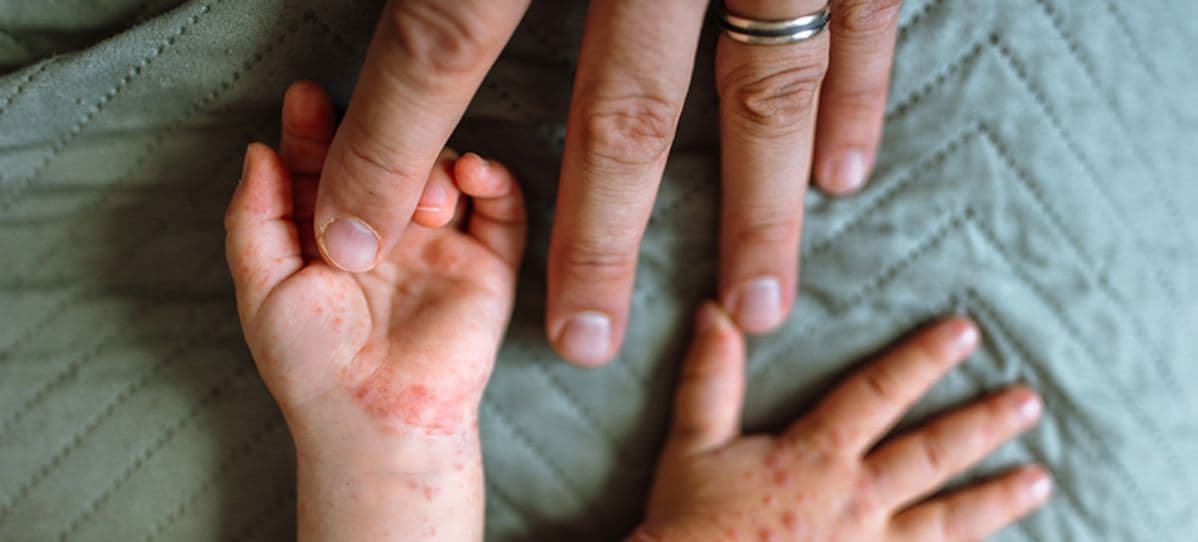
Hand, foot and mouth disease is caused by viruses that commonly spread among young children. It can cause fever, a sore throat, painful mouth sores, and a rash on the hands and feet. Some children also develop spots on their buttocks or legs.
The illness usually improves on its own. However, mouth pain can make children reluctant to drink, increasing the risk of dehydration.
Why Children May Feel Uncomfortable
Several symptoms can affect a child's daily routine:
Mouth sores may make eating and swallowing painful.
Fever can leave children tired and uncomfortable.
Skin spots or blisters may feel tender or irritated.
Reduced fluid intake can lead to dehydration.
Tiredness and discomfort may interrupt normal sleep.
Recognizing these symptoms helps parents focus on comfort, hydration, and appropriate medical advice.
Natural Remedies for Hand Foot and Mouth
There is no specific cure for hand, foot and mouth disease. However, natural remedies for hand foot and mouth can include simple comfort measures that help children manage symptoms while their bodies recover.
Offer Cool Drinks and Soft Foods
Cool fluids can be easier to tolerate when a child's mouth feels sore. Offer small, frequent drinks rather than expecting your child to drink a large amount at once. Soft foods such as yogurt, mashed potatoes, and oatmeal may also be easier to eat.
Avoid acidic foods and drinks, including citrus fruits and juices, because they can irritate mouth sores. Do not force a child to eat. Maintaining adequate fluid intake is particularly important during recovery.
Help Your Child Rest
Children may feel tired while recovering from a viral illness. Encourage rest and provide a comfortable environment. A quiet activity, a familiar bedtime routine, and regular opportunities to drink can make the day easier. Allow your child to return to normal activities gradually as their symptoms improve.
Keep Skin Clean and Avoid Picking Blisters
Gently clean affected skin with lukewarm water and pat it dry. Avoid scrubbing, scratching, or picking at blisters. If a rash becomes increasingly painful, swollen, or appears infected, contact a healthcare professional. Seek medical advice if you are unsure how to care for the affected skin.
When to Seek Medical Advice
Most children recover without serious complications, but some symptoms need prompt attention. Contact a healthcare professional if your child has a persistent fever, worsening symptoms, or difficulty drinking.
Seek urgent medical advice if your child shows signs of dehydration, such as significantly reduced urination, a very dry mouth, or unusual drowsiness. If your child cannot swallow fluids, appears unusually weak, or has difficulty breathing, seek urgent medical care.
Never give aspirin to children unless it has been specifically prescribed by a healthcare professional. Ask a clinician or pharmacist before using medication to manage fever or pain, particularly for very young children.
Choosing Skin Care Products Carefully
Parents may want to use skincare products to help manage discomfort around a child's rash. However, products intended for everyday skin care are not necessarily suitable for skin affected by an active viral illness.
Before applying anything, check the product's intended use, ingredients, and age recommendations. Avoid applying products to blisters, broken skin, or irritated areas unless a healthcare professional confirms that they are appropriate.
What to Know About Active Skin Repair Kids Spray
The active skin repair kids spray is a product option parents may encounter when researching children's skincare. However, its suitability during hand, foot and mouth disease depends on its formulation and intended use.
Do not assume that a product marketed for children is suitable for treating viral rashes or mouth sores. Review the manufacturer's instructions carefully and consult a healthcare professional before applying it to affected skin.
If the product is not specifically intended for the condition, it should not replace appropriate medical care. Gentle cleansing and avoiding further irritation may be sufficient for routine skin care while the illness resolves.
Protecting Children's Skin After Recovery
Once your child feels better, everyday skin protection can help support a comfortable routine.
Consider Sun Protection for Outdoor Activities
Children's skin needs appropriate protection from sunlight. When your child is ready to return to outdoor activities, choose sun protection suitable for their age and follow the product instructions. An active skin repair sunscreen may be worth researching as part of a broader skincare routine.
However, sunscreen is not a treatment for hand, foot and mouth disease. Do not apply sunscreen directly to active blisters or irritated skin unless a healthcare professional confirms that it is suitable. For children with sensitive skin, review the ingredients and age recommendations before use.
Return to Products Gradually
After the illness improves, avoid introducing several new skincare products at once. This makes it easier to identify any product that causes irritation. If your child's skin remains uncomfortable or the rash does not improve, seek professional advice before changing the routine.
FAQs
How Long Does Hand, Foot and Mouth Disease Usually Last?
Most children recover within 7 to 10 days. However, symptoms can vary, and medical advice may be needed if they worsen or persist.
What Drinks Are Suitable for Children With Mouth Sores?
Cool water and other non-acidic fluids may be easier to tolerate. Offer small, frequent drinks and seek medical advice if your child cannot drink enough.
Can Skin Care Spray Treat Hand, Foot and Mouth Disease?
A skincare spray should not be assumed to treat the illness. Check its intended use and consult a healthcare professional before applying it to affected skin.
When Can Children Return to Their Normal Activities?
Children can generally return when they feel well enough to participate and meet local childcare or school guidance. Follow medical advice if symptoms persist.
Conclusion
Helping a child recover from hand, foot and mouth disease begins with comfort, hydration, and careful observation. Cool drinks, soft foods, rest, and gentle skin care can help manage everyday discomfort while the illness runs its course.
When researching products such as active skin repair kids spray or active skin repair sunscreen, check their intended uses and age recommendations carefully. These products should not replace medical advice or be treated as cures for a viral illness.
Choose simple care methods, monitor your child's symptoms, and contact a healthcare professional whenever you are concerned about their recovery.